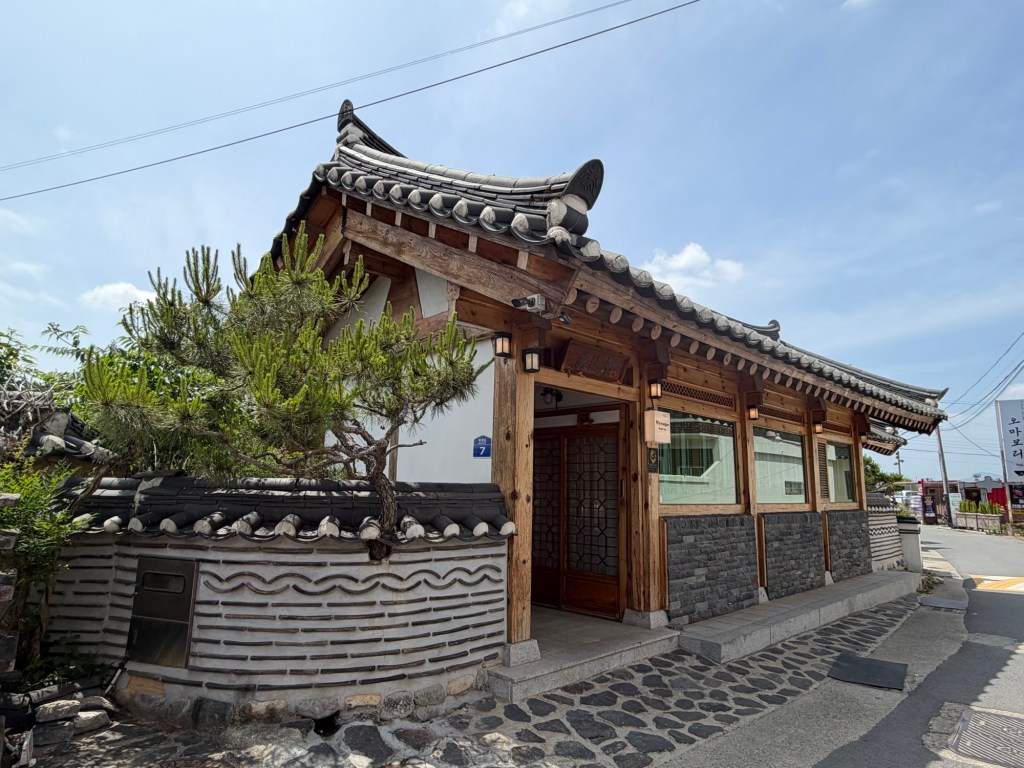
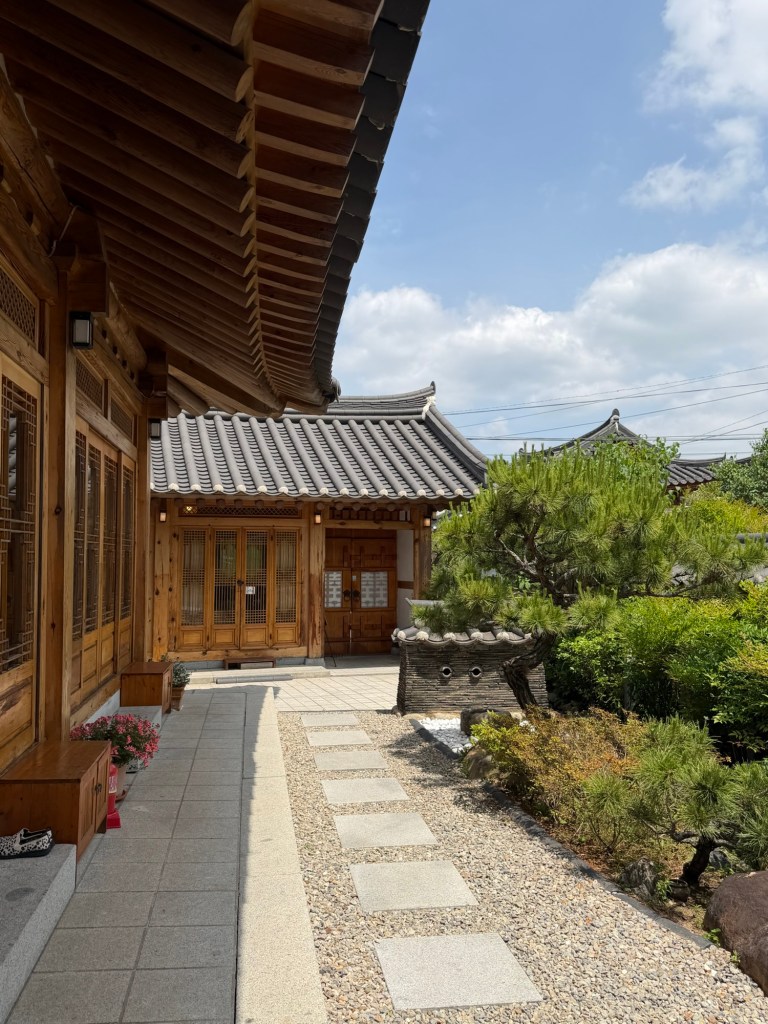
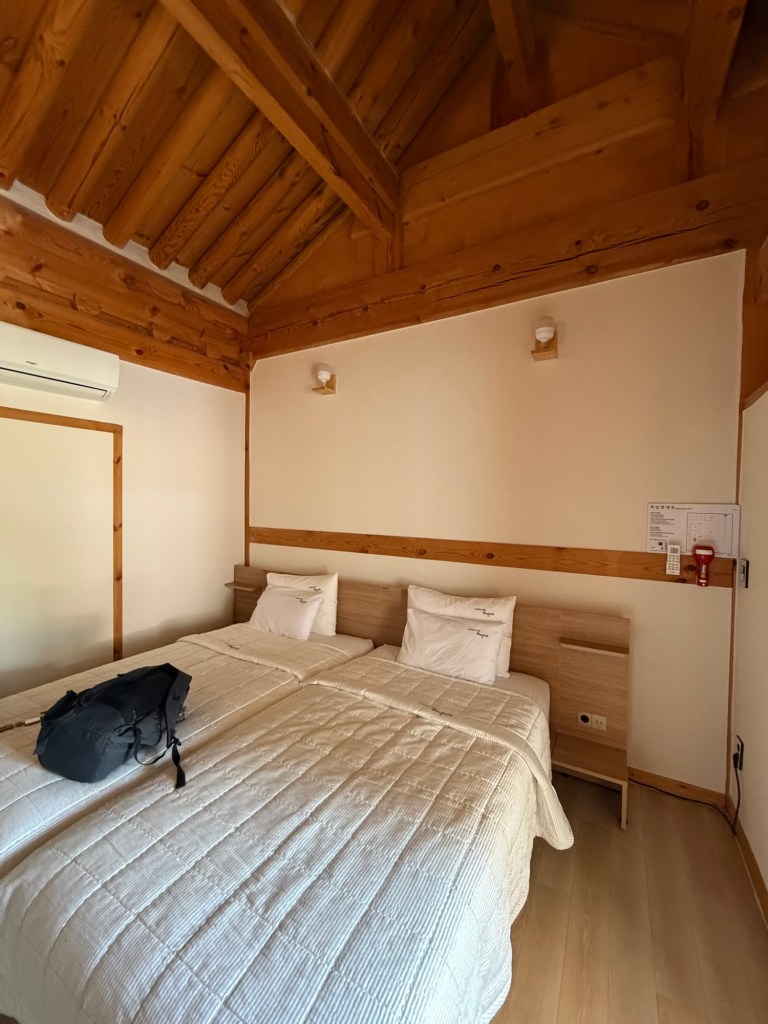
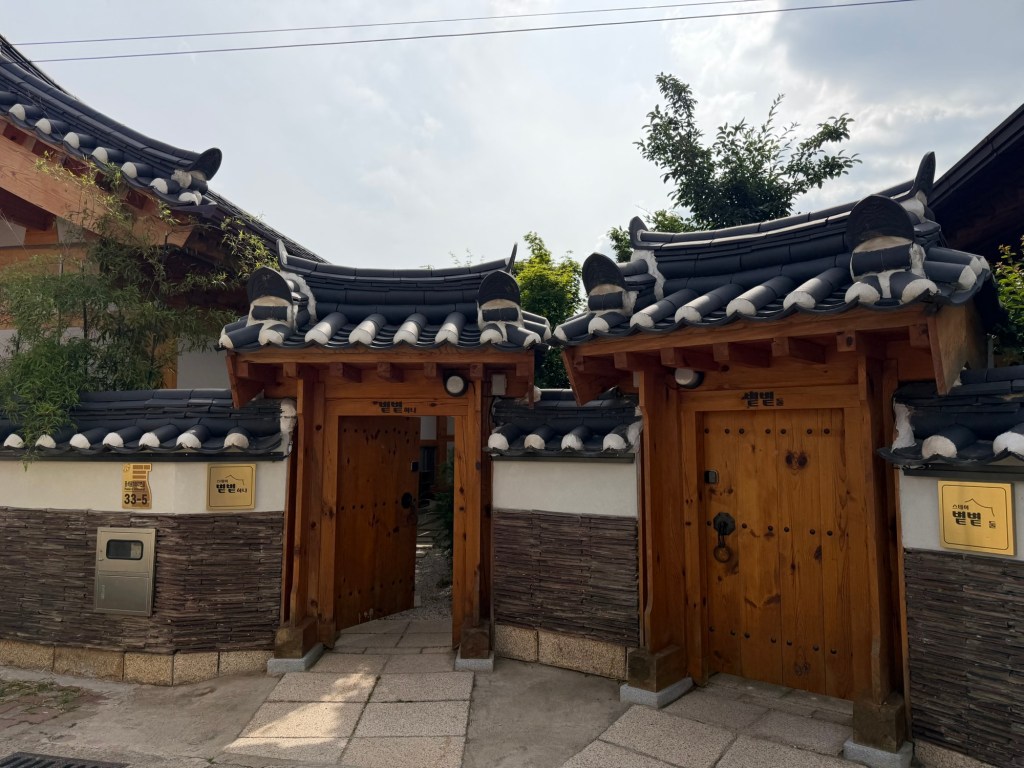
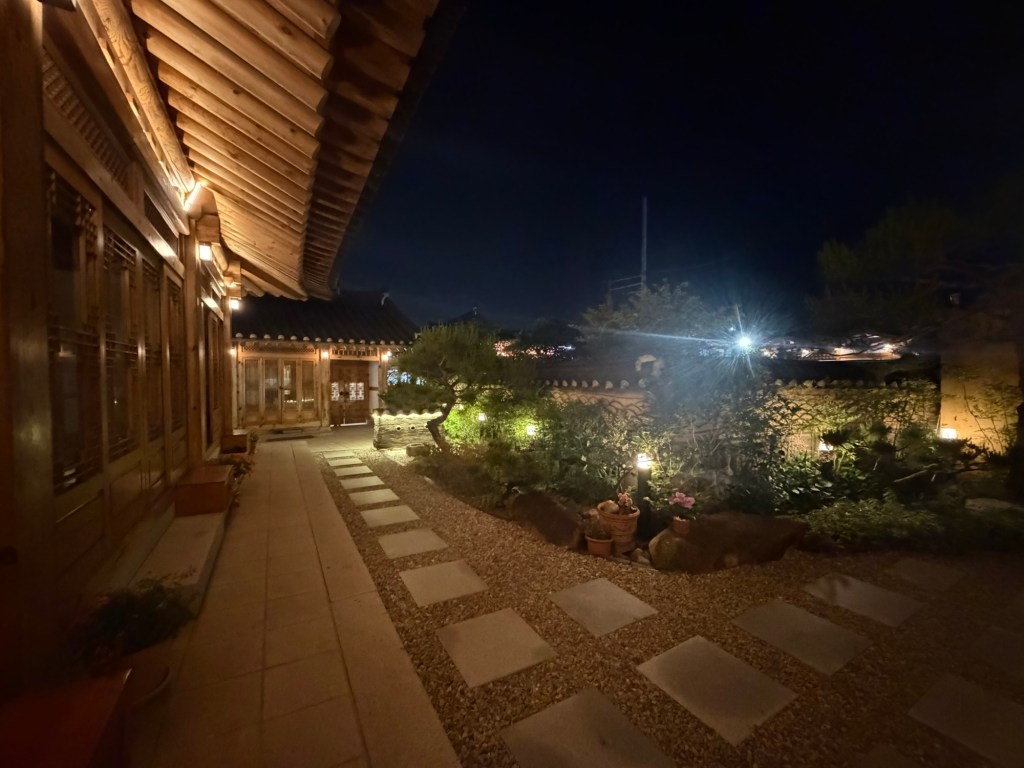
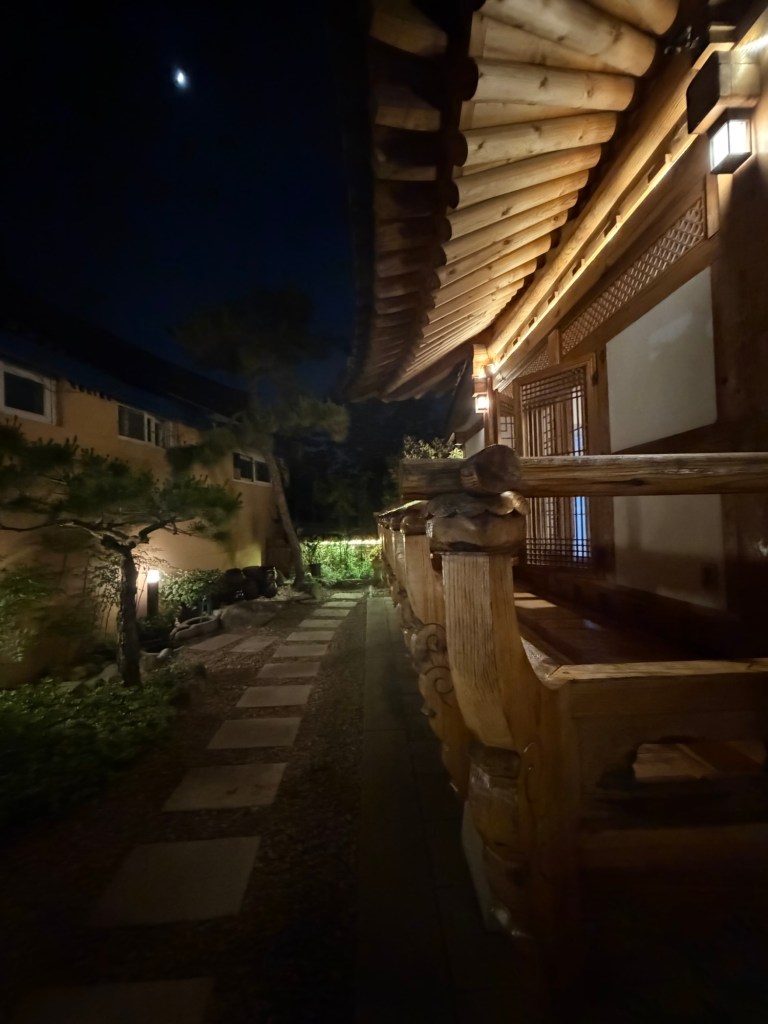
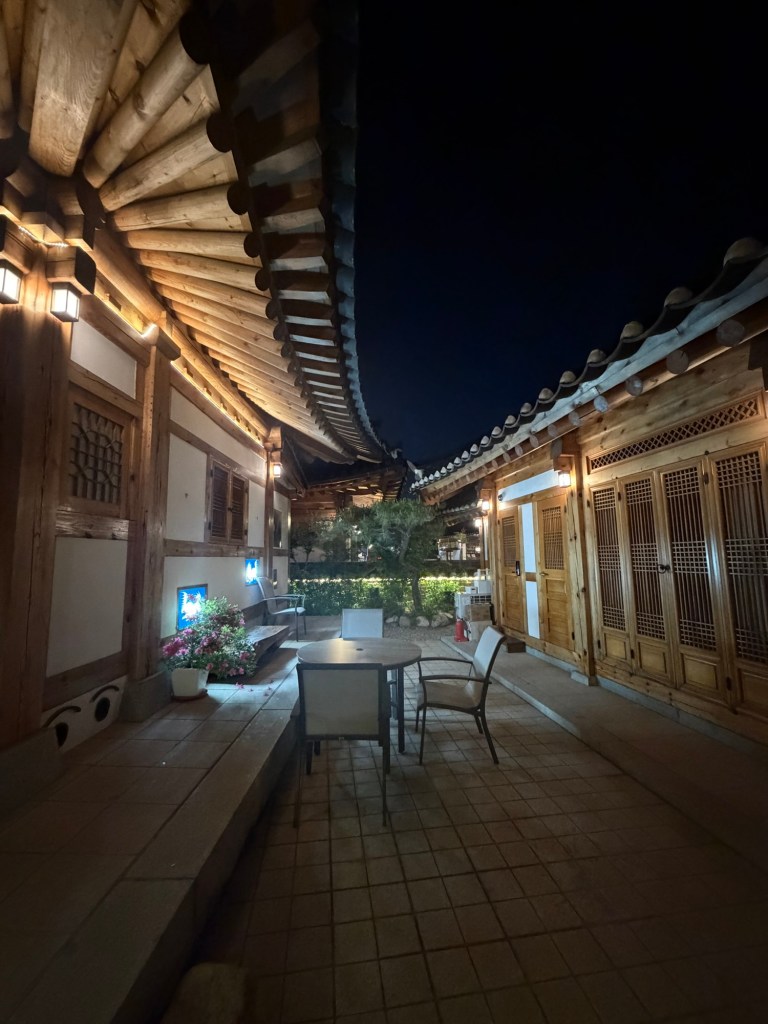
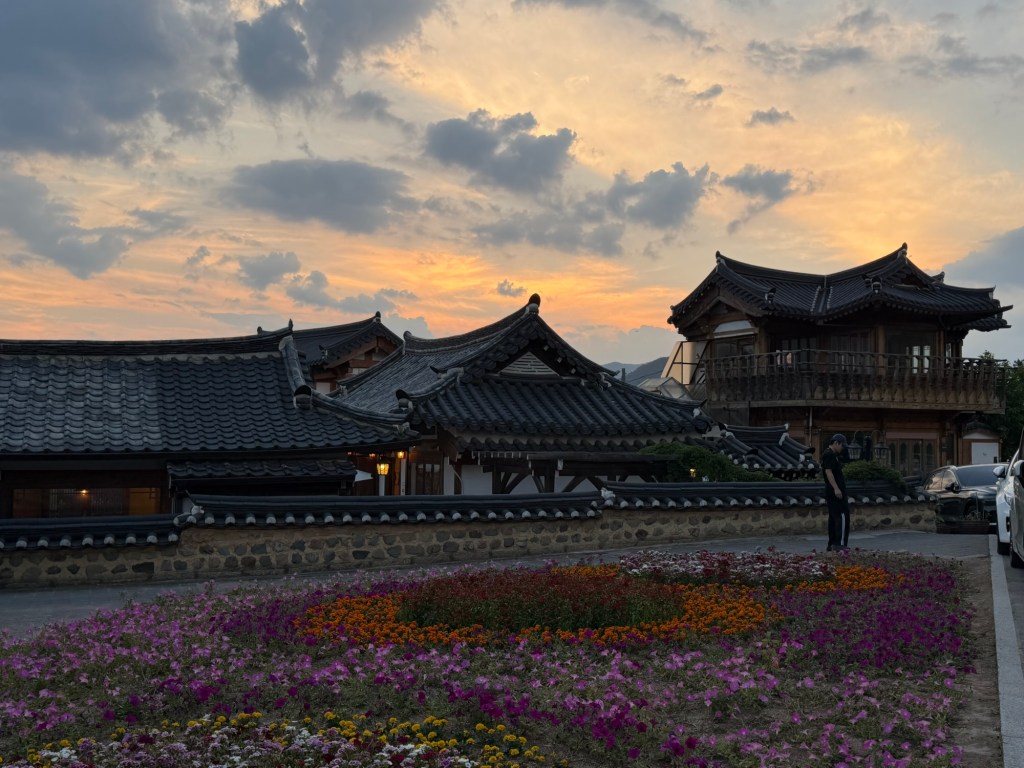
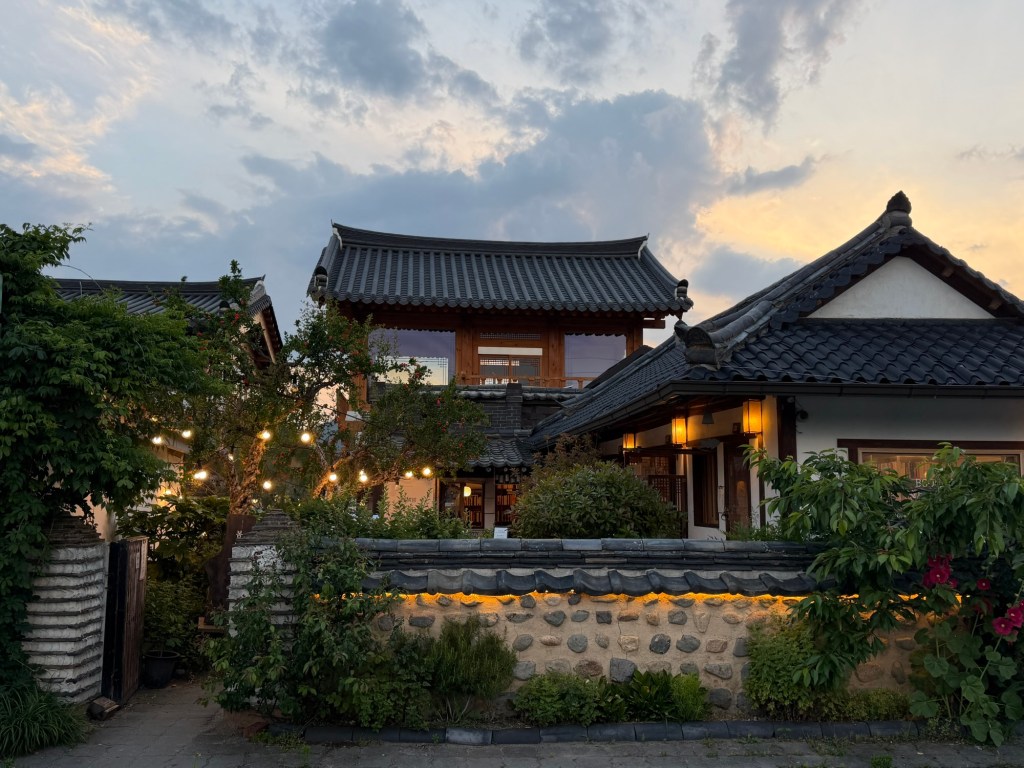
From Busan we went to Gyeongju. We have been here before 2 years ago and it is such a beautiful city. It’s called the museum without walls for a reason. Lots of history here as it was the former capital of Silla dynasty. The whole old town is a Hanok village which means traditional Korean houses, so this time we booked ourselves in a lovely Hanok stay for a couple of nights. We loved our stay at Wiyeonjae Hanok. It gives you that kind of feeling you are part of a historical K-Drama. 😂 even if we booked the room with a bed and not with sleeping on the floor which would have been mega traditional.
Von Busan ging es nach Gyeongju. Wir waren hier schon vor zwei Jahren, aber es ist so eine schöne Stadt. Man nennt es auch das Museum ohne Wände. Hier ist an jeder Ecke Geschichte. Die ganze Altstadt ist ein Hanok- Dorf, Hanok sind Häuser im traditionellen koreanischen Baustil. Also habe. Wir uns diesmal auch in ein Hanok eingebucht. Wir hatten einen tollen Aufenthalt im Wiyeonjae Hanok. Man bekommt das Gefühl als wäre man Teil eines historischen K-Dramas. 😂 Auch wenn wir nicht auf dem Boden geschlafen haben, sondern die Kategorie mit Bett gebucht haben.
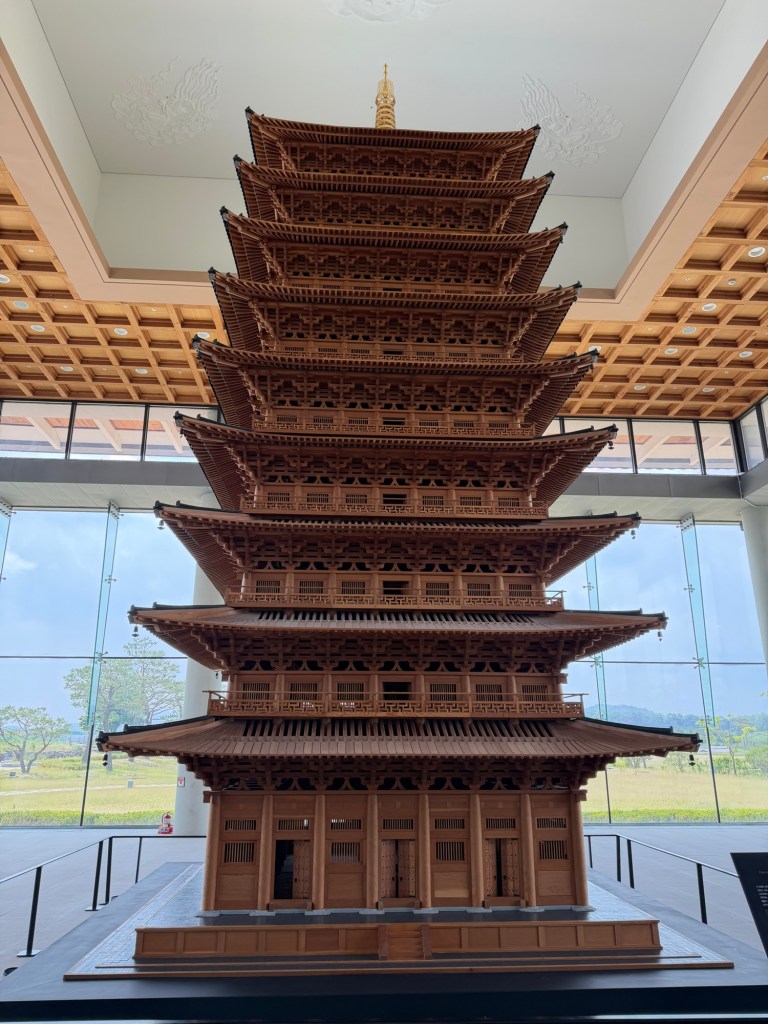
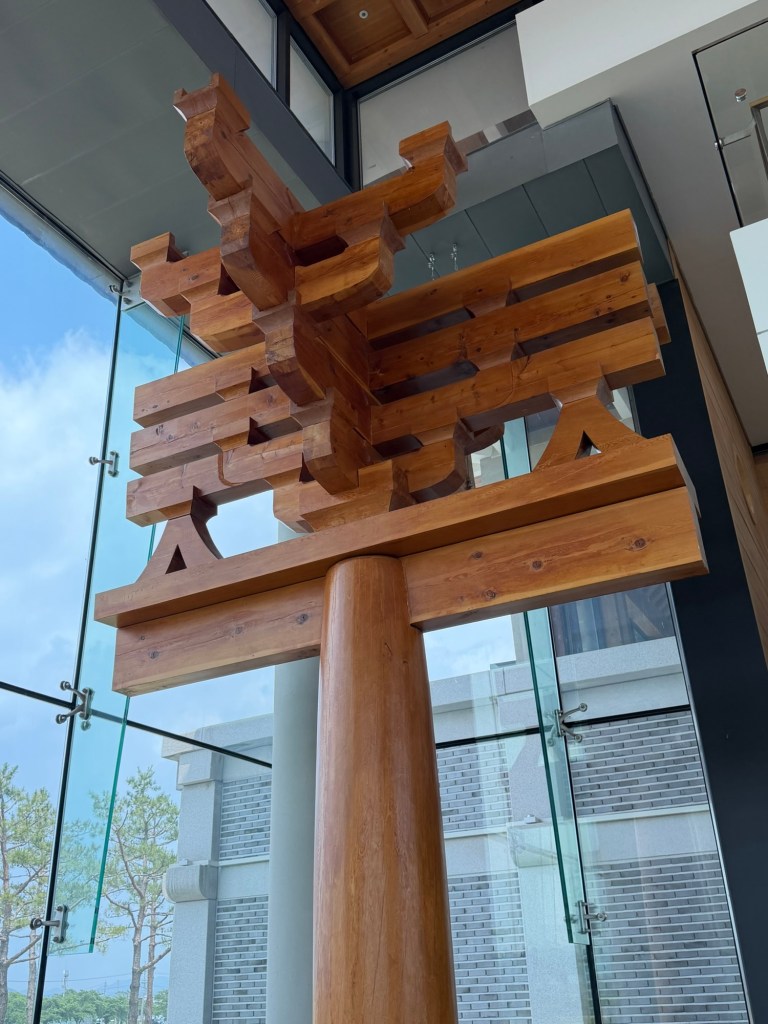
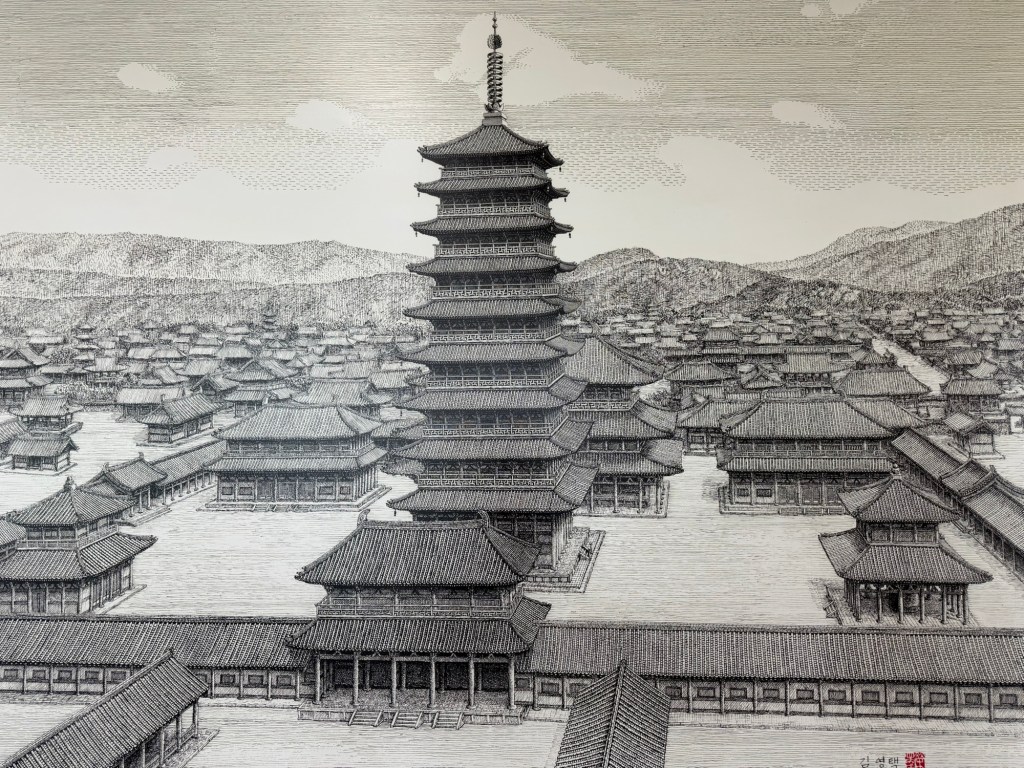
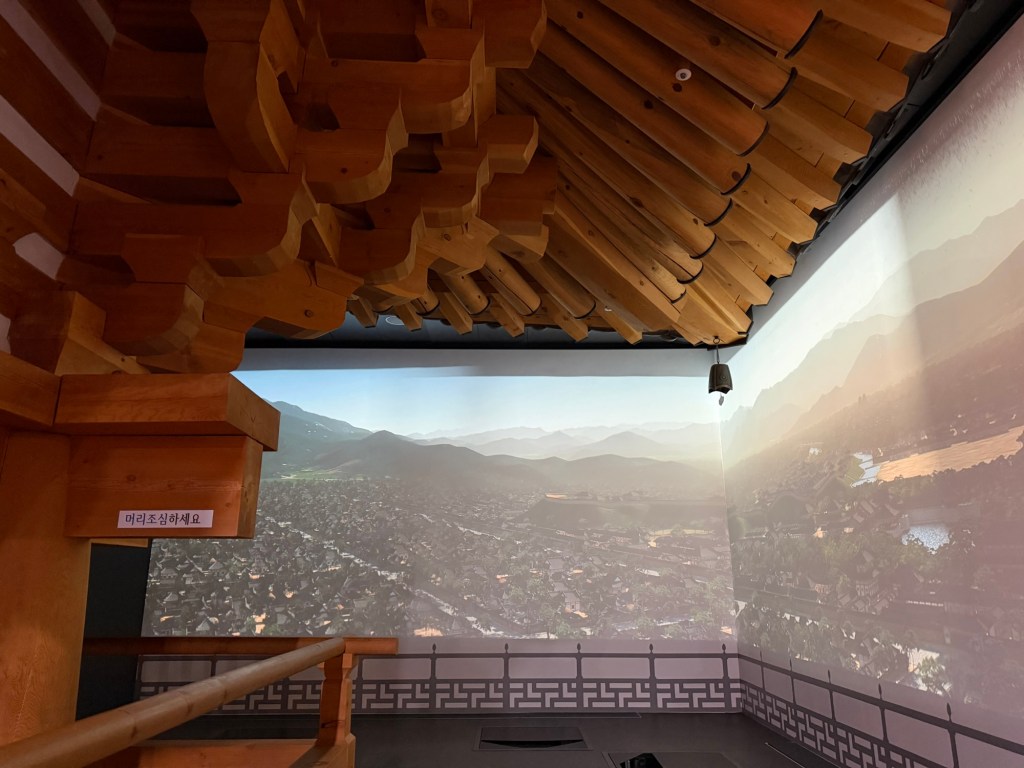
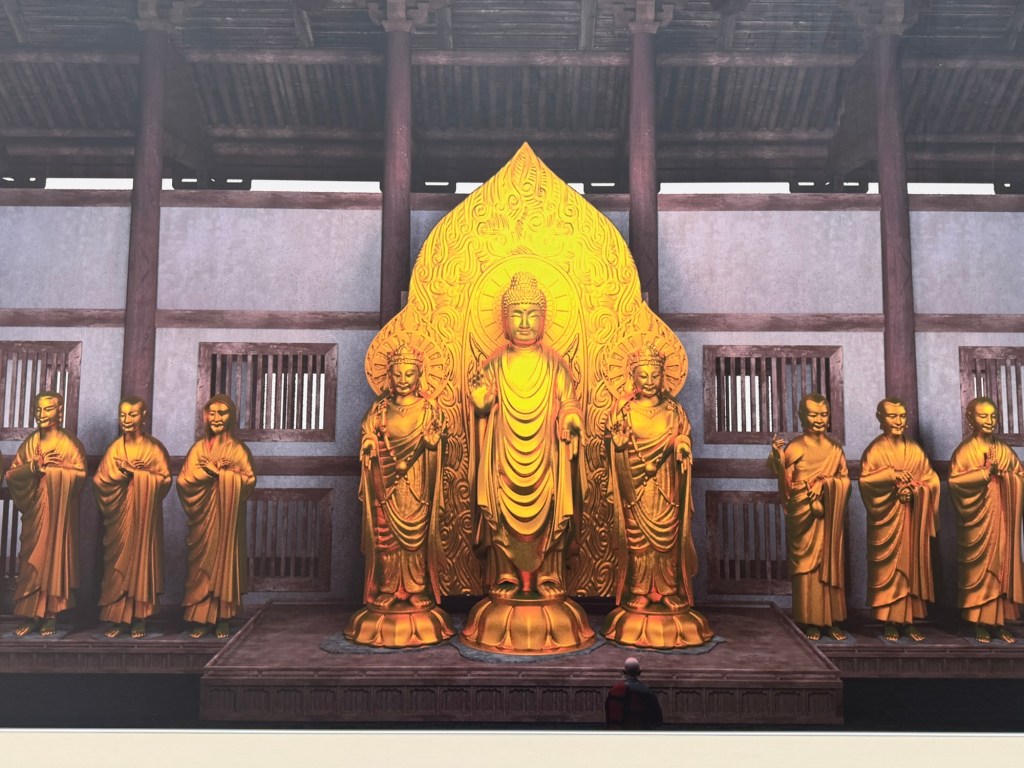
Hwangnyongsa Temple Site 황룡사지
King Jinheung originally planned to build a palace, but decided to build a temple instead, after receiving reports that a yellow dragon had been spotted on the building site. The temple was thus named Hwangnyongsa (Temple of Yellow Dragon). Later on Queen Seondeok build the nine-story pagoda. During the Silla Era, the temple was the center of state-sanctioned Buddhism. Unfortunately it got burned down by the Mongols. So only replicas exist.
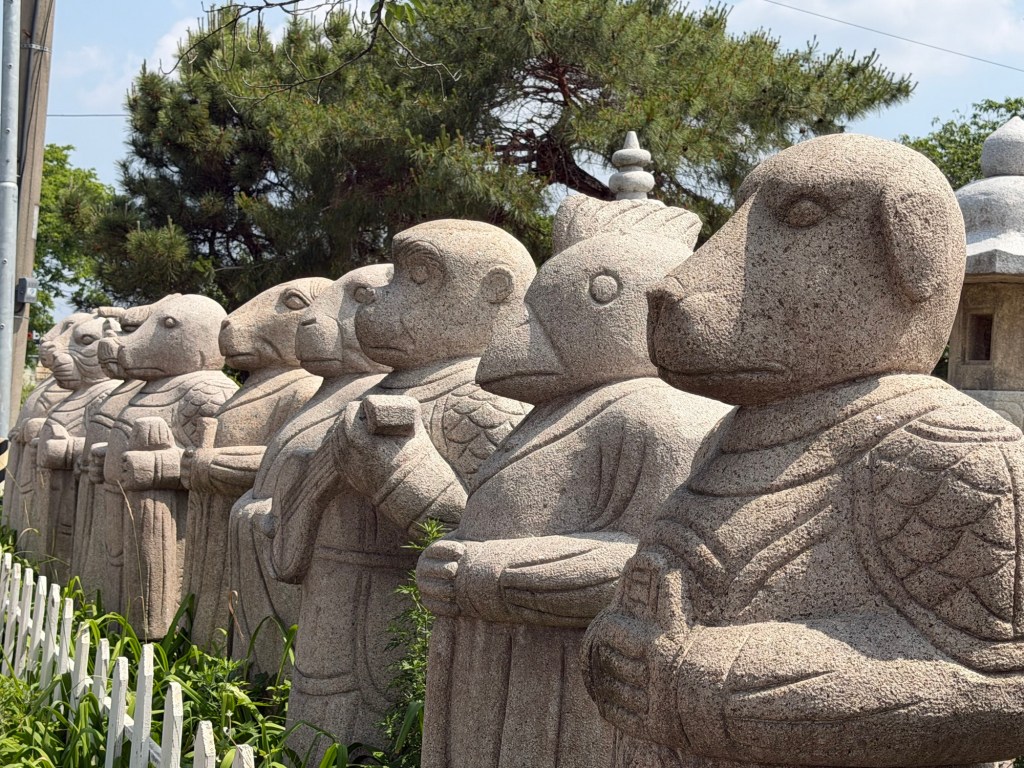
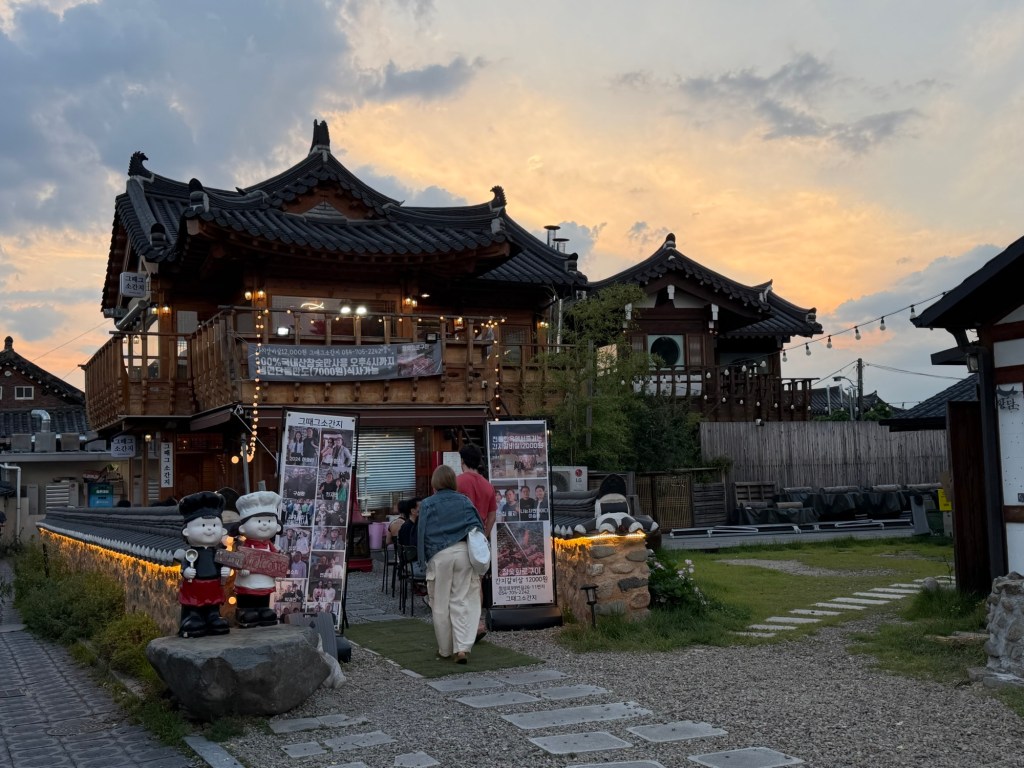
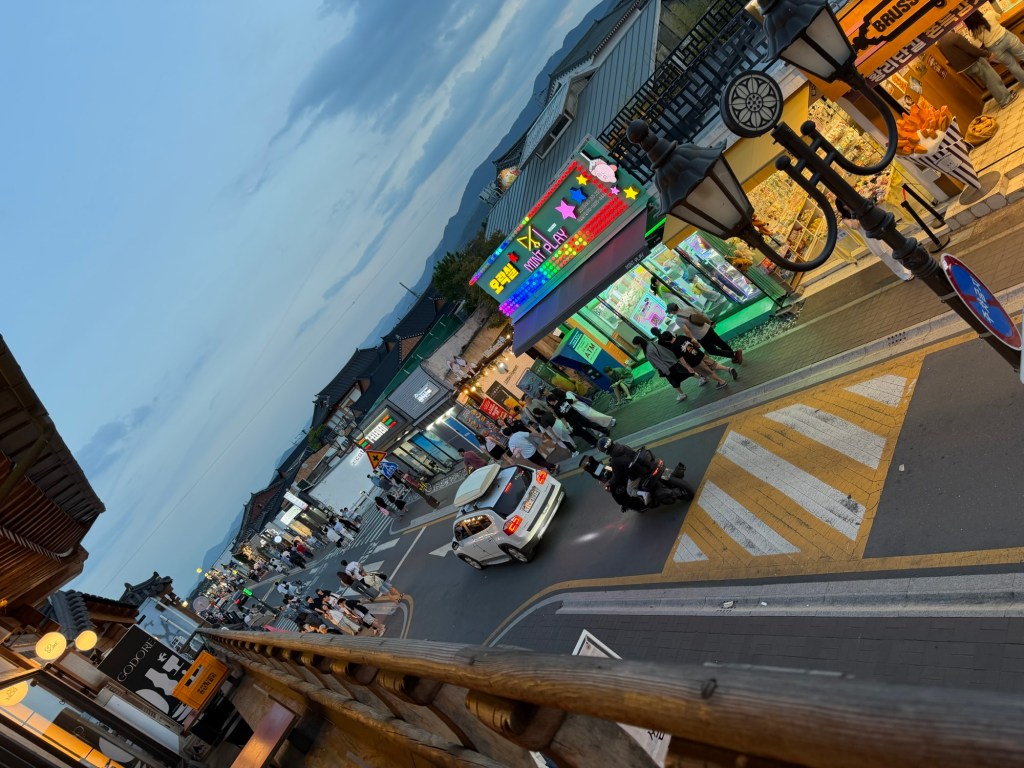
A few pictures of Gyeongju in the evening.
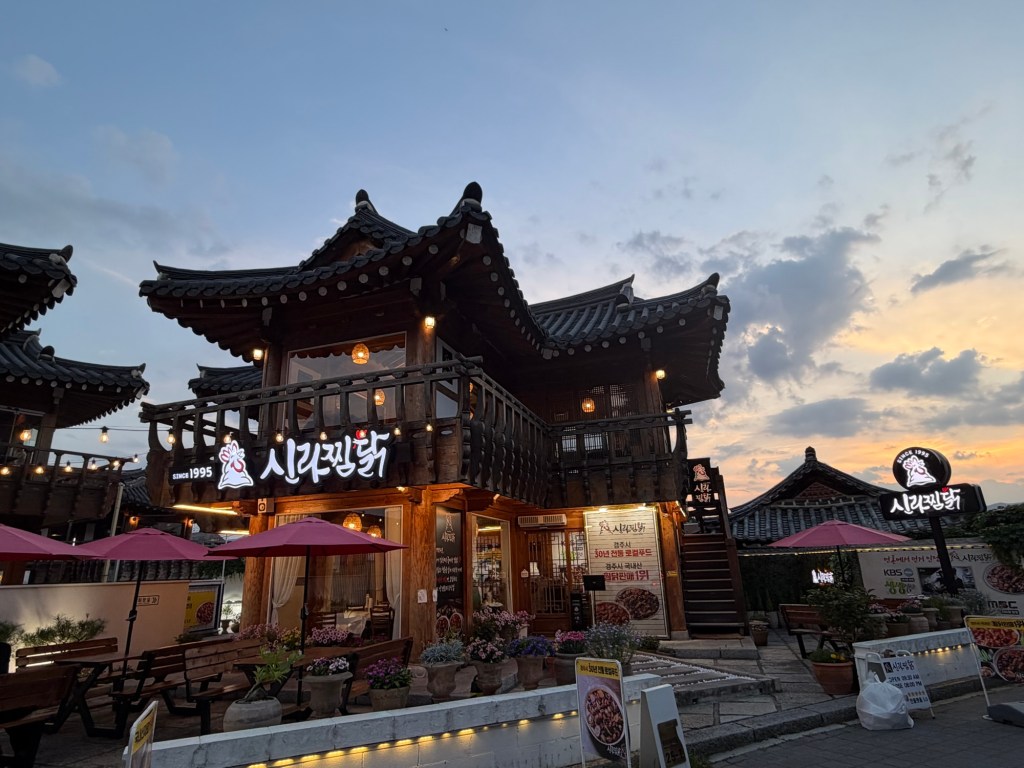
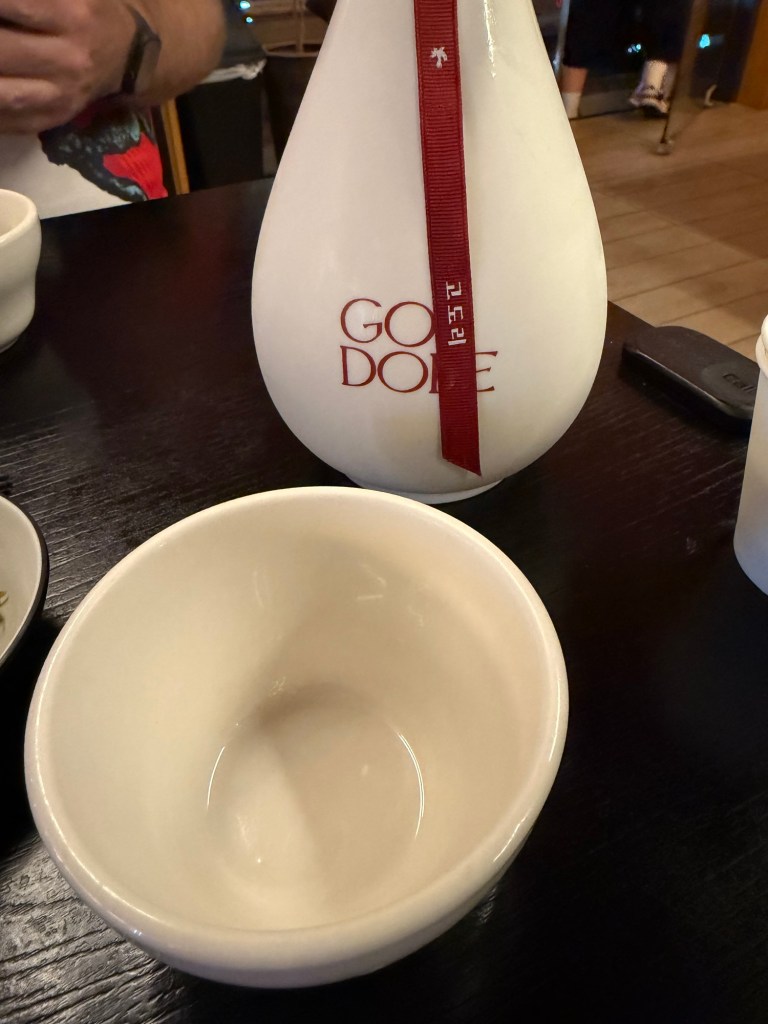
And ofc we found a Makgeolli bar with homemade Makgeolli. 😁


